Sponsor Licence Challenges Brighton HR Teams Face in 2026 (and How to Solve Them)
Why Brighton Businesses Can’t Ignore Immigration Rules in 2026

Updated: 15 April 2026
Brighton’s business scene is evolving fast. From gaming studios and creative agencies to fintech firms, life sciences, and professional services, competition for talent is fierce. For many HR teams, the Home Office sponsor licence is now central to recruitment strategy, not just for bringing in employees from overseas, but also for hiring skilled people already in the UK.
That’s a point many businesses miss. A graduate finishing their studies, or a developer already working for a competitor on a Skilled Worker visa, still needs sponsorship to join your company. Without a Home Office sponsor licence in place, you can lose out on talent that’s right on your doorstep.
In 2026, Brighton HR teams face new challenges: higher salary thresholds, stricter rules on genuine vacancies, and more scrutiny from the Home Office. At the same time, they’re under pressure from leadership to fill critical roles quickly while maintaining strict compliance.
This guide breaks down the biggest sponsor licence challenges Brighton employers are facing this year, and how to solve them.
Challenge 1: Confusion Around Job Codes and Eligibility
The removal of lower-skilled job codes in July 2025 means that only certain roles remain eligible for sponsorship. But in practice, many Brighton employers are unsure whether their vacancies qualify.
Take, for example, a gaming studio in Brighton’s vibrant digital sector. They want to hire a talented 3D artist from overseas, but the role doesn’t neatly fit into the Skilled Worker occupation list. HR leaders sometimes feel pressured to “make” the role fit an eligible code, but this is a high-risk move that can put your entire licence in jeopardy.
Similarly, fintech startups often confuse titles with duties. A “financial analyst” role, if coded incorrectly, may be rejected because the job duties match “business development manager” instead. That single error can lead to a visa refusal and wasted time.
The solution: map each vacancy carefully against the Home Office’s Appendix Skilled Occupations. Don’t rely on job titles, the duties matter. If in doubt, get regulated advice before issuing a Certificate of Sponsorship (CoS).
Challenge 2: Skilled Worker Visa Salary Thresholds
From July 2025, the salary threshold for first-time applicants for a Skilled Worker visa increased to £41,700, or the 'going rate', whichever is higher. A lower salary threshold may apply in some situations, and it's all now rather confusing! This change is catching Brighton SMEs off guard.
A clean energy firm based near Shoreham Port, for example, recently struggled to sponsor engineers because junior salaries didn’t meet the new baseline. A creative agency in central Brighton faced similar challenges when attempting to hire junior account managers.
The reality: if salaries fall below the threshold, the application will fail unless exemptions apply (such as “new entrant” rates or roles on the Immigration Salary List).
The solution: plan ahead. Review your pay structures now and check whether your roles qualify under lower salary bands. Brighton’s gaming studios, for example, can often use new entrant rates for graduate hires, making sponsorship viable..
Challenge 3: Right to Work Checks & Compliance Pressure
Even if you get sponsor licence approval, your duties don’t end there. One of the most common mistakes Brighton businesses make is inconsistent right to work checks.
A tech startup in the North Laine scaled quickly, onboarding staff remotely but failing to keep updated right to work records. A professional services firm in Hove relied on manual checks without audit trails, leaving them exposed if the Home Office requested evidence.
In 2025, enforcement is stricter than ever. Civil penalties for illegal working have tripled, and non-compliance can result in licence revocation, reputational damage and fines of up to £60,000 per worker.
The solution: implement clear right to work policies, train your managers, and use digital checks wherever possible. At Immtell, we also run mock compliance audits to spot gaps before the Home Office does.

Challenge 4: Misuse of the Sponsor Management System (SMS)
The Sponsor Management System is the Home Office’s tool for managing sponsorship licences. But many Brighton SMEs misuse it, often unintentionally.
A green energy company in Sussex forgot to report a sponsored worker’s promotion within the 10-day deadline, a technical breach that could have triggered compliance action. A gaming studio issued a Defined CoS, instead of the required Undefined CoS, leading to refusal of the visa, delays and significant additional cost.
The solution: don’t treat the SMS as an admin task. It’s a compliance system. Ensure your Authorising Officer and Level 1 Users are properly trained, or outsource the responsibility to a regulated provider who will manage updates on time.
Challenge 5: Balancing Growth with Immigration Control
Perhaps the hardest challenge is balancing rapid business growth with strict immigration rules. HR teams are under pressure to fill skills gaps quickly, but sponsorship takes time.
A Brighton fintech firm had to delay a product launch because an overseas hire was stuck in compliance checks. A creative agency missed a major pitch because they didn’t secure their Home Office sponsor licence in time.
The solution: apply for a sponsorship licence before you think you need it. If you don’t already hold a sponsor licence, you could miss out on talent that’s ready to join immediately but is legally unable to do so without that sponsorship.
.jpg?updated=1784112710)
Why These Challenges Hit Brighton Harder
Brighton’s economy is driven by innovation. Gaming studios, fintech startups, environmental tech firms, and creative agencies all rely on specialist skills that aren’t always available locally.
Unlike larger London corporates, Brighton SMEs rarely have in-house immigration lawyers. Instead, responsibility falls on HR generalists, COOs, or office managers, people who already wear multiple hats.
That makes mistakes more likely, and the consequences more damaging. In a city where timing and talent are everything, immigration compliance can’t be an afterthought.
How Immtell Helps Brighton Businesses
Immtell combines local presence with national expertise. From our Brighton base, we provide specialist immigration support designed for SMEs and scaling businesses across Sussex. Whether you need help with sponsor licence support in Brighton, Skilled Worker visas, or right to work compliance, we make sure HR teams have clear, practical guidance they can trust.
We support Brighton employers with:
- Sponsor licence applications, compliance, and training
- Skilled Worker and Global Business Mobility visa cases
- Business travel assessments, risk alerts, and visitor visas
- Right to work training (live or on-demand)
- Access to an online system to track visa expiry dates and deadlines
Because we focus only on immigration law, we're regulated by the Immigration Advice Authority (IAA, registration no. F20220010), you’ll only ever get advice that meets the highest standards. And because we’re based in Brighton, you’ll have access to in-person support when you need it most.


Brighton Businesses Can’t Afford Immigration Mistakes in 2026
Whether you’re a gaming studio, fintech, or creative agency, sponsor licence compliance is critical. Don’t risk growth on avoidable errors, get regulated immigration and visa support from Immtell, based in Brighton and trusted nationwide.
Whether you’re a gaming studio, fintech, or creative agency, sponsor licence compliance is critical. Don’t risk growth on avoidable errors, get regulated immigration and visa support from Immtell, based in Brighton and trusted nationwide.
Further Reading

Do Brighton SMEs Need a Sponsor Licence to Hire Overseas Talent?
Why Brighton Employers Are Asking This Question
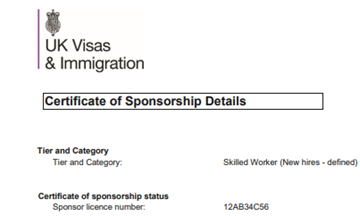
Certificate of Sponsorship: A Guide For Employers
UK Certificates of Sponsorship (CoS): Everything Employers Need to Know

Home Office Sponsor Licence Holders: Reporting Duties
A Guide to Complying with Home Office Sponsor Duties for Employers

All You Need to Know About Sponsor Licences
Guide to Hiring Global Talent: Everything You Need to Know About Home Office Sponsor Licences

Become a Sponsor: Steps for Employers and Businesses
Business Requirements for a UK Sponsorship Licence in 2026

Guide to Right to Work Checks in 2026
Navigating UK Right-to-Work Rules: Essential Guidance for UK Employers in 2026

Avoid UK Illegal Working Penalties: Right to Work Compliance 2026
Protect Your Business from Fines and Reputational Damage with Proactive UK Right to Work Compliance Strategies

The Hidden Risks of Not Preparing for a Home Office Compliance Visit
Why Home Office Compliance Visits Are a Growing Concern for UK Employers

The Biggest Problems Companies Face During a Sponsor Licence Application
The Real-World Stress of Applying for a Sponsor Licence

What Happens During a Home Office Compliance Audit?
What to expect during a Home Office Compliance Audit

7 Common Sponsor Duties HR Teams Miss
What HR and Ops Teams Often Miss: Key Home Office Sponsor Duties Highlighted by Our Mock Immigration Compliance Audits

What to Expect from a Home Office Pre-Licence Compliance Check
What to Expect from a Home Office Pre-Licence Compliance Check in 2025

Why Right to Work Checks Alone Won’t Keep You Compliant
What UK sponsors overlook, and why it’s costing them.

Immigration Skills Charge: A Guide for Employers
Everything Employers Need to Know about the UK Immigration Skills Charge in 2026

How Much Does a Sponsor Licence Cost for SMEs in Brighton & Sussex in 2026?
A Full Breakdown of Home Office Fees, Legal Costs, and What Affects the Final Price
Sponsor Licence Challenges Brighton HR Teams Face in 2026 (and How to Solve Them)
Why Brighton Businesses Can’t Ignore Immigration Rules in 2026